The Future of Broadband: When Faster Connections Also Become More Energy-Efficient

The Future of Broadband: When Faster Connections Also Become More Energy-Efficient
For years, the race in broadband development has been all about speed. We’ve measured progress in megabits and gigabits per second, and internet providers have competed to deliver the fastest possible connections. But as our digital lives expand, a new priority is emerging: energy efficiency. The broadband of the future won’t just be faster—it will also be greener.
From Copper to Fiber—and Toward Sustainability
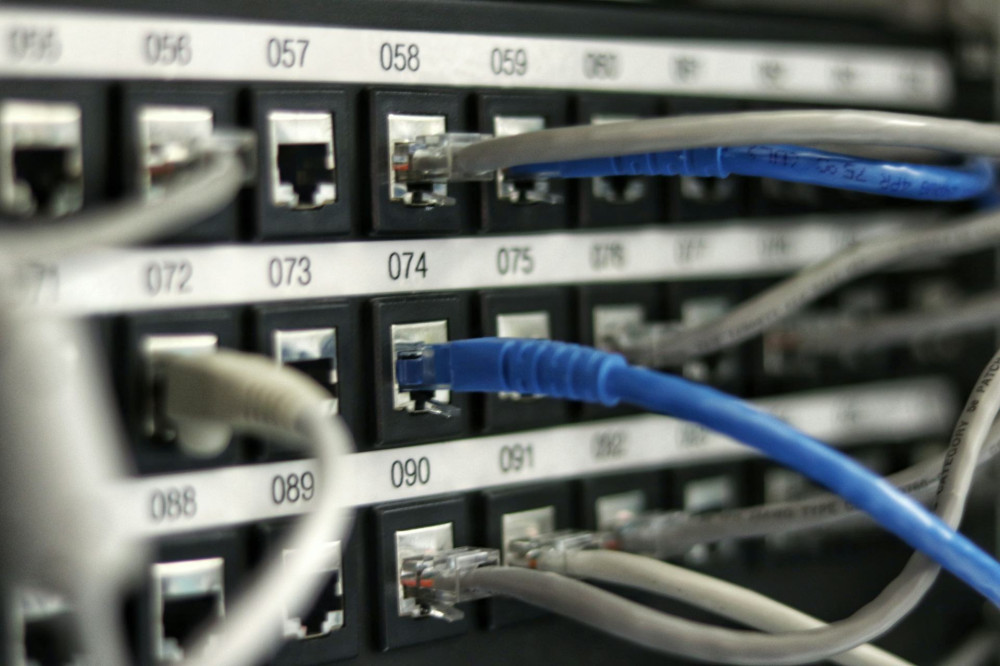
The shift from copper cables to fiber-optic networks has already been a major step forward. Fiber transmits data using light instead of electricity, which means lower energy consumption per gigabyte transferred. It also requires less maintenance and lasts longer than older technologies.
But innovation doesn’t stop there. New technologies such as passive optical networks (PON) and intelligent power management in network equipment are helping reduce energy use even further—both in the infrastructure itself and in the routers and modems we use at home.
Greener Data Centers and Network Hubs
Every time we stream a movie, join a video call, or play an online game, our data travels through massive data centers and network hubs. These facilities consume enormous amounts of energy, but they’re also at the forefront of a green transformation.
Across the U.S., internet providers and tech companies are investing in data centers powered by renewable energy and exploring heat recovery systems that reuse waste heat from servers to warm nearby buildings. At the same time, advanced software is being developed to distribute workloads intelligently, ensuring that energy is used where it’s most efficient.
Læs også:

Smart Homes Need Smart Connections
As American homes become more connected—with smart thermostats, electric vehicles, and home security systems—the demand for stable, efficient networks continues to grow. But that doesn’t have to mean higher energy consumption.
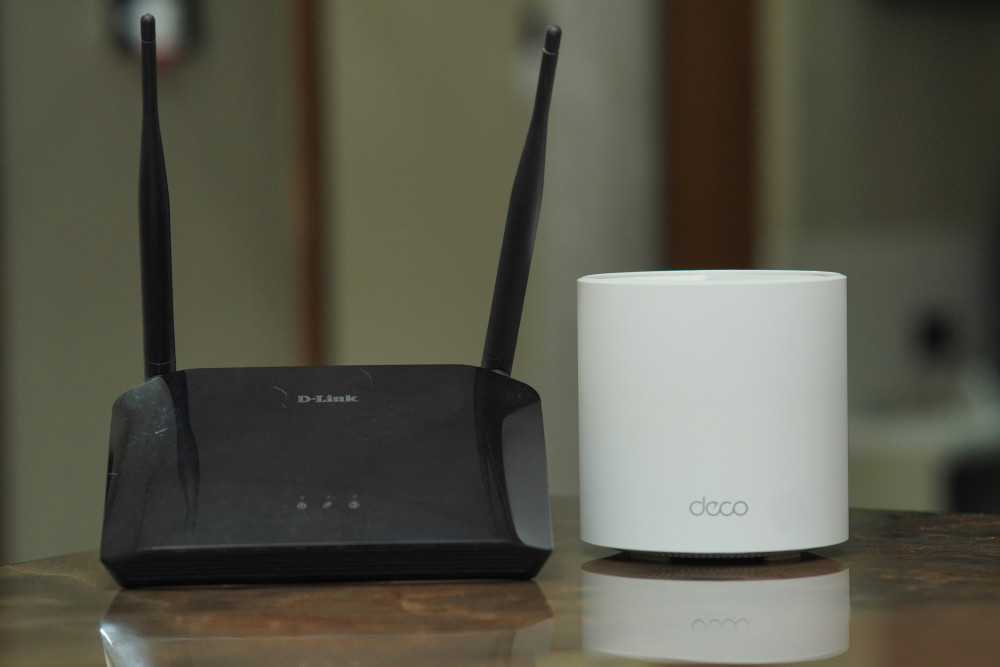
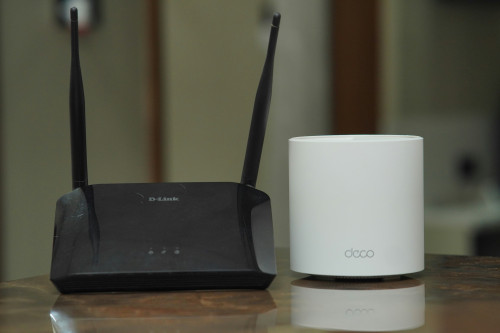
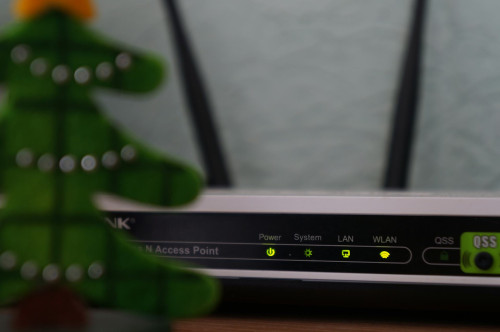
The latest routers and mesh systems can automatically adjust to traffic patterns and enter low-power modes when not in use. Manufacturers are also working on green standards for networking equipment, ensuring that both production and operation are more sustainable.
5G and the Next Generation of Wireless Networks
Wireless technology is also evolving rapidly. 5G networks aren’t just faster than their predecessors—they’re designed to be more energy-efficient. This is partly because 5G can dynamically adjust its power use based on network demand, consuming less energy during periods of low activity.
Looking ahead, 6G and Wi-Fi 7 are expected to build on this progress, offering even smarter energy management and the potential to integrate renewable energy sources directly into network infrastructure.
The Consumer’s Role in a Sustainable Internet
While technology leads the way, consumers also play a crucial role. By choosing providers that invest in green infrastructure and by turning off devices when they’re not in use, we can all contribute to a more sustainable internet.
Some U.S. providers are already offering carbon-neutral broadband plans, offsetting their energy use through investments in renewable energy projects. It’s a small but meaningful step toward a more responsible digital ecosystem.
A Greener Internet Is Closer Than You Think
The future of broadband isn’t just about downloading a movie in seconds. It’s about building a digital infrastructure that keeps up with our needs without straining the planet. With fiber networks, renewable-powered data centers, and intelligent energy management, we’re already moving in the right direction.
When faster connections also become more energy-efficient, we get the best of both worlds: an internet that supports our digital lives while respecting the limits of our planet.
Læs også: