Mobile Broadband or Home Internet? How to Choose the Right Option for Your Needs

Mobile Broadband or Home Internet? How to Choose the Right Option for Your Needs
The internet has become essential for work, entertainment, and staying connected. But when it comes to getting online at home or on the go, you often face a choice: mobile broadband or home internet. Both options have their strengths and weaknesses, and the right one depends on your lifestyle, location, and how you use the web. Here’s a guide to help you decide which solution fits your needs best.
What’s the Difference?
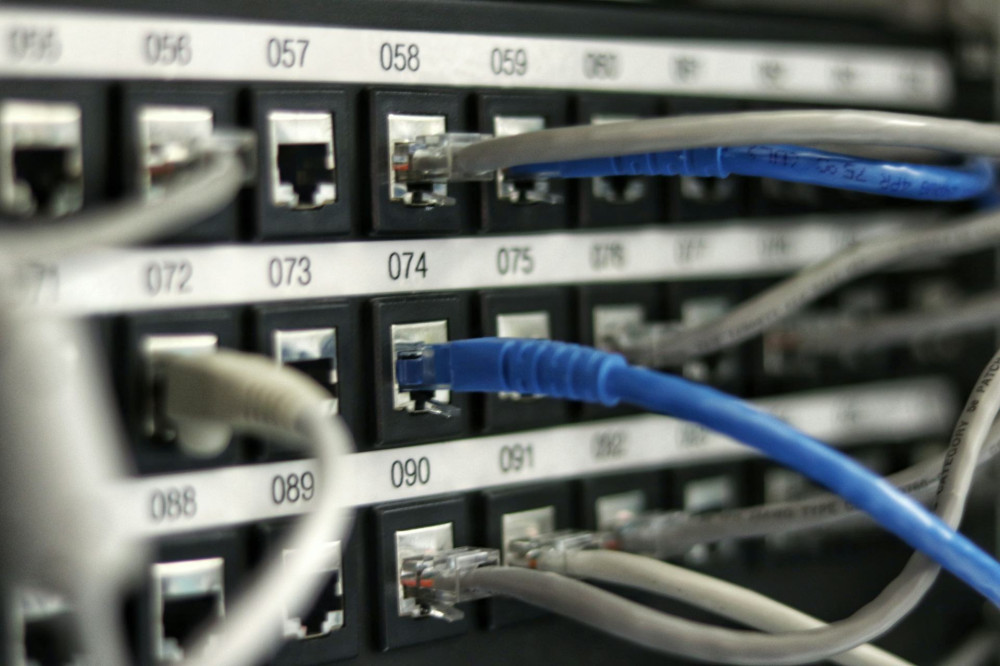
Home internet—also known as fixed broadband—is delivered through physical cables, such as fiber, cable (coaxial), or DSL. It requires installation at your address but typically offers high speeds, low latency, and reliable performance.
Mobile broadband, on the other hand, uses the cellular network (4G LTE or 5G) to provide internet access. You connect through a SIM card in a router, hotspot, or directly in your phone, tablet, or laptop. It doesn’t require cables and can be used almost anywhere with cell coverage.
In short: home internet is stable and stationary, while mobile broadband is flexible and portable.
Pros and Cons of Home Internet
Pros:
- High speed and reliability: Fiber and cable connections can deliver gigabit speeds, ideal for streaming, gaming, and remote work.
- Unlimited data: Most home internet plans have no data caps, so you can stream and download freely.
- Low latency: Great for video calls, online gaming, and real-time collaboration.
Cons:
- Installation required: Setting up a wired connection can take time, especially if your area doesn’t have fiber yet.
- Less flexibility: The connection is tied to your home address.
- Higher cost: Monthly fees and installation charges can be higher than mobile broadband.
Home internet is best for households with multiple users, heavy streaming, or work-from-home setups where stability and speed matter most.
Pros and Cons of Mobile Broadband
Pros:
- Flexibility: You can take your connection anywhere—perfect for travelers, RV owners, or temporary housing.
- Easy setup: Just insert a SIM card into a hotspot or router, and you’re online within minutes.
- No cables or installation: Ideal for renters or rural areas where wired service isn’t available.
Cons:
- Dependent on coverage: Speeds vary depending on your location and network congestion.
- Data limits: Many mobile plans have data caps or slower speeds after a certain threshold.
- Less consistent performance: Signal strength can fluctuate indoors or in remote areas.
Mobile broadband is a great choice for individuals, students, or anyone who values mobility and convenience over maximum speed.
Which Should You Choose?
Your choice depends on how—and where—you use the internet:
- For remote work, streaming, and gaming: Go with home internet, preferably fiber if available.
- For travel, RVs, or vacation homes: Mobile broadband offers the freedom to stay connected anywhere.
- For small households or temporary setups: Mobile broadband can be a cost-effective and simple solution.
- For families with many devices: Home internet provides the bandwidth and stability needed for multiple users.
Before deciding, check what’s available at your address. Many providers offer coverage maps and speed tests so you can see realistic performance expectations.
Læs også:
Combine Both Options
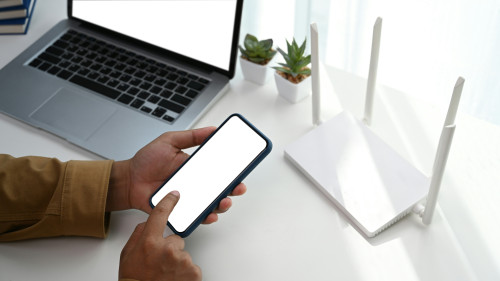
More people are now using both: home internet for everyday use and mobile broadband as a backup or travel solution. This combination ensures you stay connected even if one network goes down. Some carriers even let you share data across devices—your phone, tablet, and hotspot—under one plan.
The Future of Connectivity
With the rollout of 5G, mobile broadband is becoming faster and more reliable than ever. In some areas, 5G home internet already rivals fiber speeds, especially where wired infrastructure is limited. At the same time, fiber networks continue to expand, bringing gigabit speeds to more neighborhoods across the U.S.
The future points toward a more flexible internet landscape, where you can choose the option—or combination—that best fits your lifestyle.
Conclusion: Match Your Connection to Your Needs
There’s no one-size-fits-all solution. If you prioritize speed, stability, and unlimited data, home internet is the way to go. If you value mobility, simplicity, and quick setup, mobile broadband is a strong alternative.
The key is to think about your daily habits: where you use the internet, how much data you need, and what you use it for. Once you know that, choosing the right connection becomes much easier—and you’ll get the most out of your online experience.
Læs også: