Understanding the Role of PLC Systems in Industrial Automation

Understanding the Role of PLC Systems in Industrial Automation
In the realm of industrial automation, information about PLC systems for industrial use is crucial for optimizing manufacturing processes. Programmable Logic Controllers (PLCs) are integral to automating complex operations, enhancing efficiency, and ensuring precision in various industrial settings.
What Are PLC Systems?
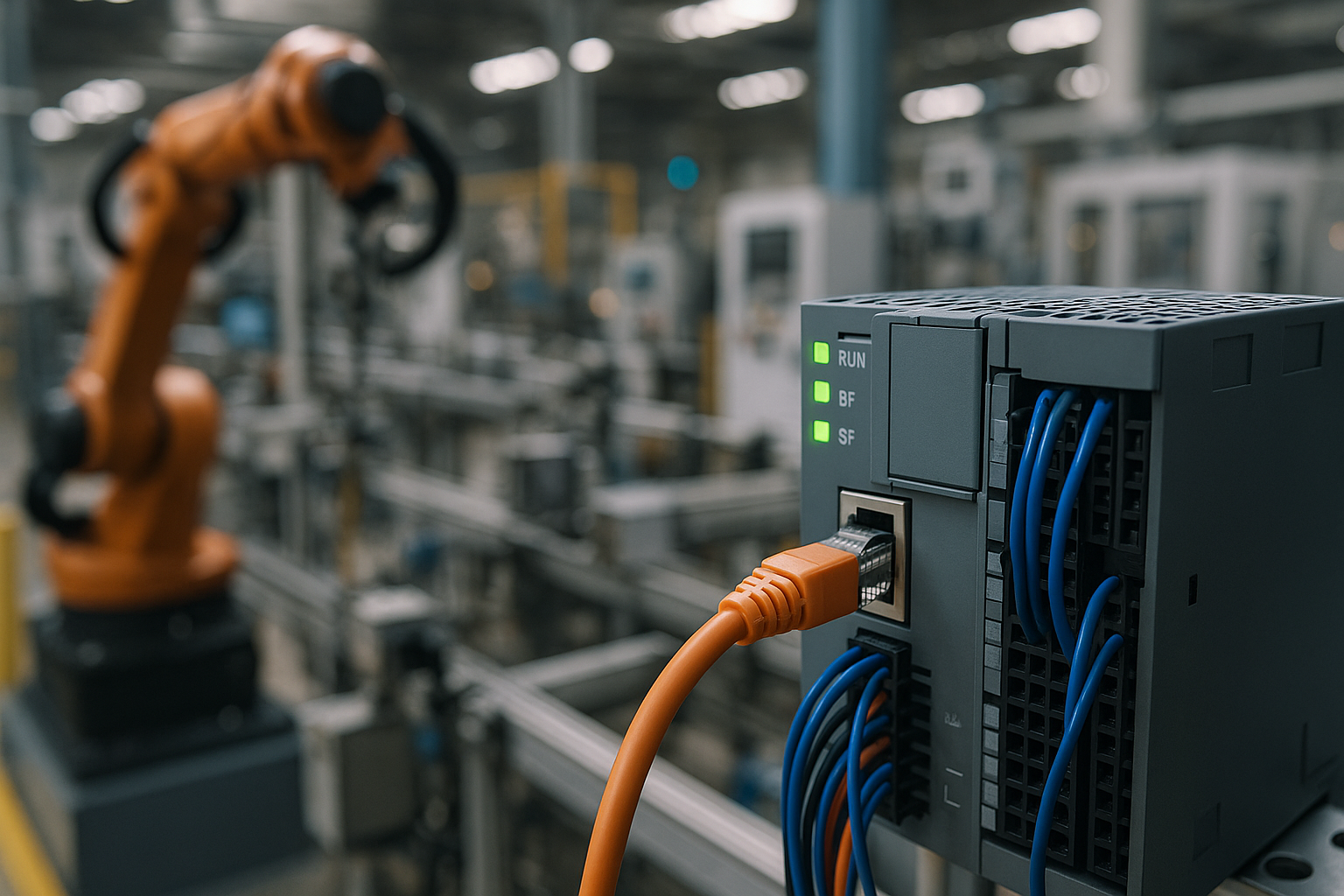
PLCs are specialized computers used to control machinery and processes in industrial environments. They are designed to withstand harsh conditions and perform real-time operations, making them ideal for industries such as manufacturing, energy, and transportation. These systems are highly reliable, offering flexibility and scalability to meet the evolving demands of industrial operations.
Benefits of Using PLC Systems
Implementing PLC systems in industrial settings offers numerous advantages:
- Increased Efficiency: PLCs automate repetitive tasks, reducing the need for manual intervention and increasing production speed.
- Enhanced Accuracy: With precise control and monitoring capabilities, PLCs minimize errors and ensure consistent quality.
- Flexibility: PLCs can be reprogrammed to accommodate changes in production processes, making them adaptable to new requirements.
- Cost-Effective: By streamlining operations and reducing downtime, PLC systems contribute to cost savings over time.
Understanding the technical aspects of PLC systems is essential for businesses looking to improve their automation processes. These systems consist of a processor, input/output modules, and programming software, which work together to execute complex tasks efficiently.
Applications of PLC Systems
PLCs are used in a variety of industrial applications, including:
- Manufacturing: PLCs control assembly lines, robotic devices, and material handling systems, ensuring smooth and efficient production.
- Energy Management: In power plants, PLCs monitor and regulate energy distribution, optimizing resource use and minimizing waste.
- Transportation: PLCs manage traffic signals, railway systems, and airport operations, enhancing safety and reliability.
Incorporating PLC systems into industrial operations not only boosts productivity but also supports sustainable practices by optimizing resource utilization and reducing energy consumption.
Future Trends in PLC Technology
As technology advances, PLC systems are becoming more sophisticated, integrating with IoT and AI to enable smarter manufacturing processes. The future of PLC technology lies in its ability to provide real-time data analytics, predictive maintenance, and seamless integration with other digital systems, paving the way for Industry 4.0.
In conclusion, understanding information about PLC systems for industrial use is essential for businesses aiming to leverage automation for competitive advantage. By embracing these technologies, companies can enhance operational efficiency, improve product quality, and achieve greater sustainability in their industrial processes.