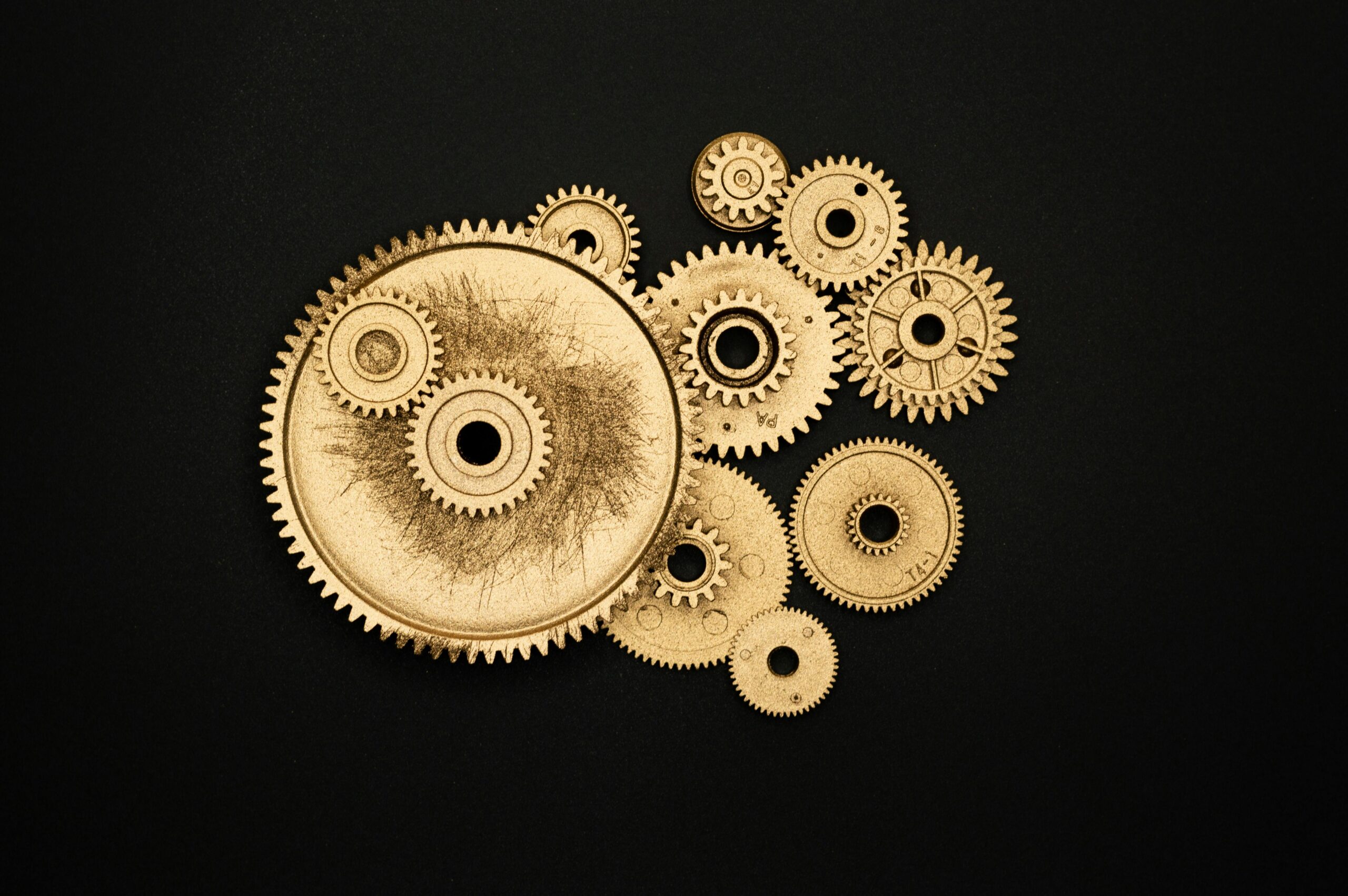
A gear pump is a type of positive displacement pump that is widely used in many industries due to its reliability and simplicity. The basic working principle of a gear pump involves the movement of fluid through the rotation of gears. As the gears rotate, they create a vacuum that draws fluid into the pump and then forces it out at a consistent rate. This mechanism makes the gear pump especially suitable for applications where a steady and controlled flow is required.
There are typically two main types of
gear pump designs: external gear pumps and internal gear pumps. External gear pumps use two identical gears that rotate against each other, while internal gear pumps consist of one larger gear and a smaller gear inside it. Both designs achieve the same goal but are suited for slightly different applications depending on pressure, viscosity, and flow requirements.
The simplicity of a gear pump is one of its greatest advantages. With fewer moving parts compared to other pump types, maintenance is generally easier and the risk of mechanical failure is reduced. This makes it a popular choice in industries such as oil and gas, chemical processing, and food production.
How a gear pump works in practical applications
In practical use, a gear pump operates by trapping fluid between the teeth of the gears and the casing of the pump. As the gears rotate, fluid is carried around the outer edges of the gears from the inlet side to the outlet side. Once the fluid reaches the outlet, the meshing of the gears forces it out under pressure.
One of the defining characteristics of a gear pump is its ability to handle high-viscosity fluids. Oils, syrups, resins, and other thick substances can be moved efficiently without significant loss of performance. This is because the gear pump does not rely on centrifugal force but instead physically displaces the fluid.
Another advantage is the consistent flow rate. Unlike some other pumps that may experience fluctuations, a gear pump delivers a nearly constant flow regardless of pressure changes. This makes it ideal for systems where precision is important, such as lubrication systems or dosing applications.
However, it is important to note that a gear pump is not suitable for fluids containing large solid particles. Debris can cause wear or damage to the gears, reducing efficiency and lifespan. Therefore, filtration is often used in systems where a gear pump is installed.
Advantages of using a gear pump in industry
The gear pump offers several advantages that make it a preferred solution in many industrial settings. One of the primary benefits is durability. A well-designed gear pump can operate for long periods with minimal maintenance, even under demanding conditions.
Efficiency is another key factor. Because a gear pump provides a direct transfer of fluid, energy losses are relatively low. This results in better overall system performance and reduced operational costs. Additionally, the compact design of a gear pump allows it to be easily integrated into various systems without requiring large amounts of space.
Versatility is also an important advantage. A gear pump can be used with a wide range of fluids, from thin liquids like fuel to thicker substances like lubricants. This flexibility makes it suitable for multiple industries, including automotive, manufacturing, and pharmaceuticals.
Furthermore, a gear pump is capable of self-priming, meaning it can start pumping without needing to be manually filled with fluid beforehand. This feature simplifies operation and reduces downtime.
Limitations and considerations for gear pump systems
Despite its many advantages, a gear pump does have some limitations that should be considered. One of the main challenges is wear over time. The close tolerances between the gears and the casing mean that abrasive fluids can gradually cause damage, leading to reduced efficiency.
Noise can also be a factor, especially in high-speed applications. While modern designs have improved in this area, a gear pump may still produce more noise compared to some other pump types. This can be a consideration in environments where noise reduction is important.
Pressure limitations are another aspect to keep in mind. While a gear pump can handle moderate to high pressures, extremely high-pressure applications may require alternative solutions. Selecting the correct type and size of gear pump is therefore essential to ensure optimal performance.
Temperature can also affect operation. Fluids that are too hot or too cold may impact the viscosity and, consequently, the efficiency of the gear pump. Proper material selection and system design can help mitigate these issues.
Future developments and innovations in gear pump technology
The future of the gear pump is shaped by ongoing advancements in materials and engineering. Modern gear pumps are increasingly being designed with improved wear-resistant materials, allowing them to handle more demanding applications and extend their lifespan.
Digital integration is also becoming more common. Sensors and monitoring systems can now be incorporated into a gear pump setup to track performance, detect issues early, and optimize operation. This is particularly valuable in industries that rely on continuous production processes.
Energy efficiency is another area of focus. Manufacturers are working to design gear pumps that consume less energy while maintaining high performance. This aligns with the growing emphasis on sustainability and reducing environmental impact.
Customization is also on the rise. Many companies now offer tailored gear pump solutions to meet specific application requirements. This includes variations in size, material, and configuration to ensure the best possible performance.
In conclusion, the gear pump remains a fundamental component in many industrial systems. Its simple design, reliability, and versatility make it an essential tool for fluid handling. By understanding how a gear pump works and considering its advantages and limitations, engineers and operators can make informed decisions and achieve efficient, long-lasting performance.