Pay Safely Online: How to Protect Your Information from Digital Misuse

Pay Safely Online: How to Protect Your Information from Digital Misuse
Online shopping has become a normal part of everyday life. From groceries and clothing to travel and electronics, we can buy almost anything with a few clicks. But with this convenience comes an increased risk of digital misuse. Cybercriminals are constantly finding new ways to steal personal and financial information, and one careless moment can lead to serious consequences. Fortunately, by following a few simple precautions, you can shop safely online and protect yourself from the most common threats.
Use Secure Payment Methods
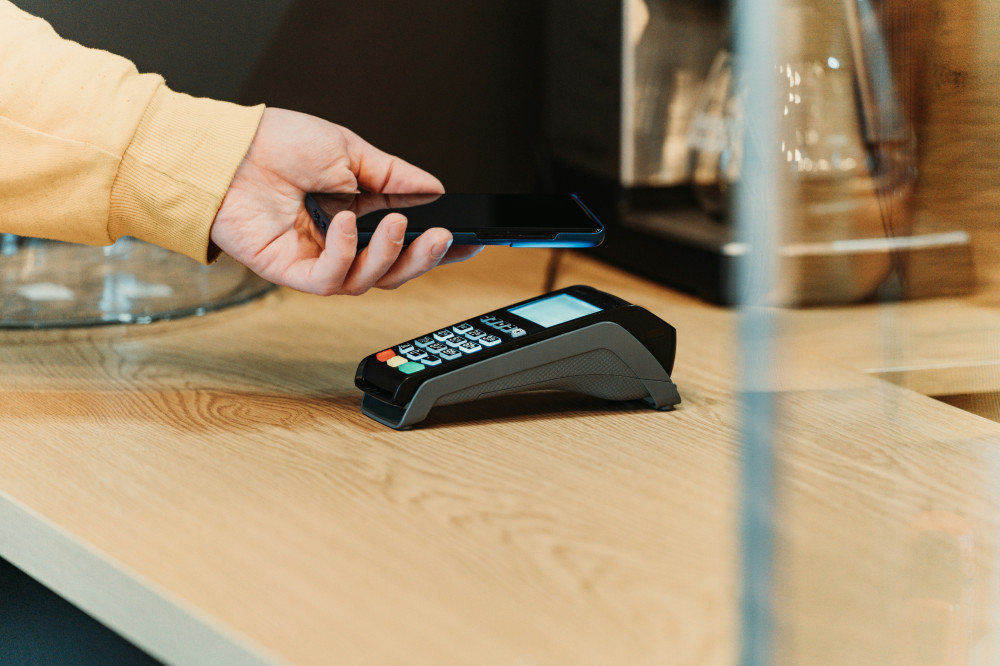
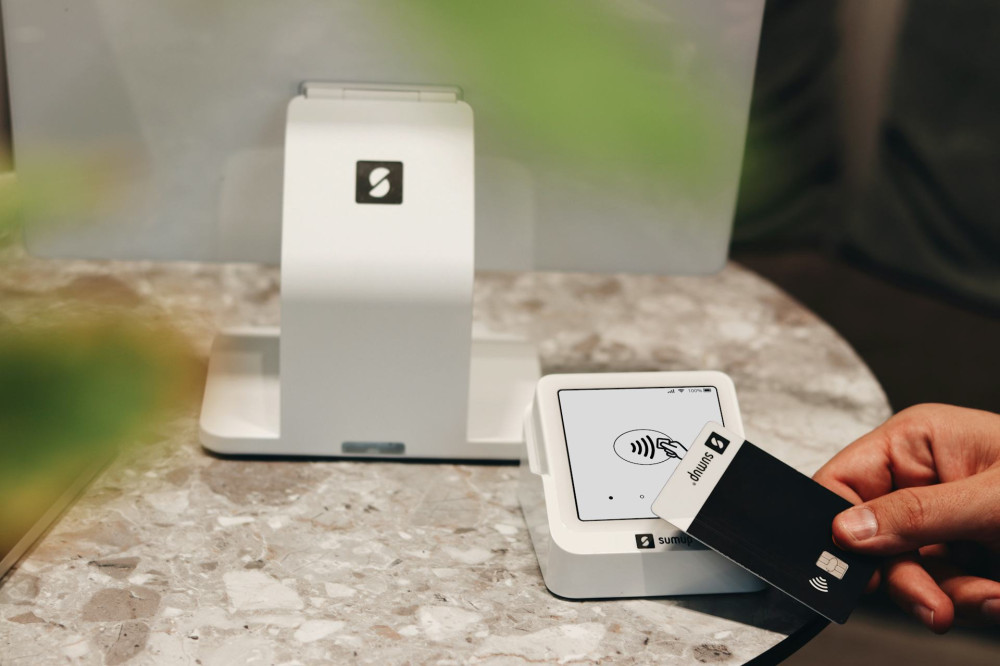
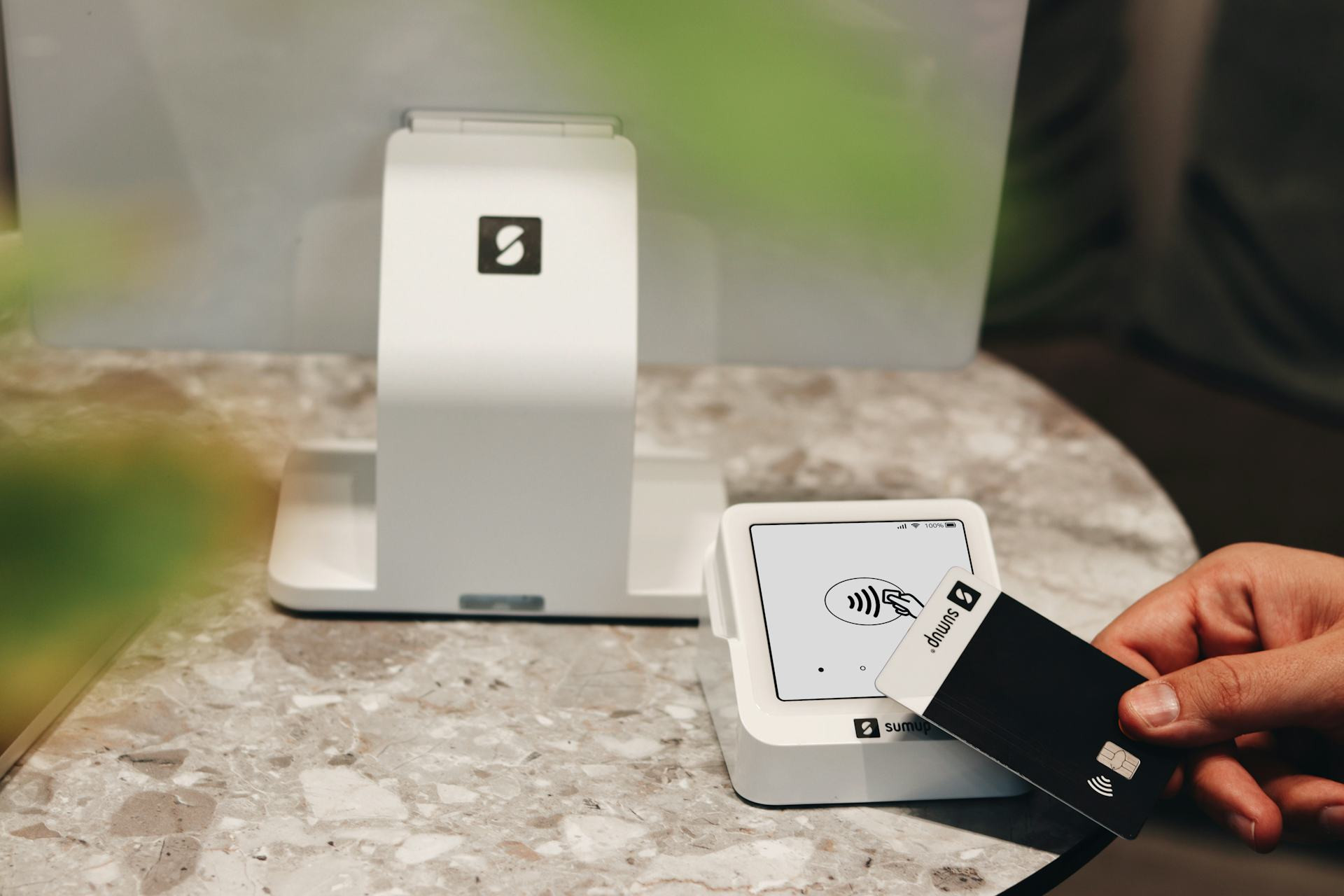
When making purchases online, always choose payment methods that offer protection if something goes wrong. Credit cards and digital payment services like PayPal, Apple Pay, or Google Pay often provide extra security because they don’t share your card details directly with the seller. Many credit card companies also offer fraud protection and the ability to dispute unauthorized charges.
Avoid sending money through direct bank transfers, wire services, or cryptocurrency unless you personally know and trust the recipient. These payments are difficult to reverse if you’re scammed. Look for websites that use 3D Secure or similar verification systems, which require an extra authentication step before completing a payment—this is a good sign that the site takes security seriously.
Check the Website’s Legitimacy
Before entering your personal or payment information, make sure the website is legitimate. Look for https:// in the address bar and a small padlock icon—these indicate that the connection is encrypted. However, encryption alone doesn’t guarantee that the business is trustworthy.
Read reviews on independent sites like the Better Business Bureau (BBB) or Trustpilot, and check that the company lists clear contact information, including a physical address and customer service number. Be cautious of websites with prices that seem too good to be true—they usually are. Trust your instincts and avoid sites that look unprofessional or lack clear return and shipping policies.
Watch Out for Phishing and Fake Messages
One of the most common forms of digital fraud is phishing—fake emails or text messages that pretend to come from banks, delivery companies, or well-known retailers. The goal is to trick you into clicking a link and entering your information on a fake website.
Be skeptical of messages that create a sense of urgency (“Your account will be closed today!”) or promise something unrealistic (“You’ve won a prize!”). Always check the sender’s email address carefully, and instead of clicking links, go directly to the company’s official website. If you’re unsure, contact the company through their verified customer service channels.
Keep Your Devices and Passwords Secure
A strong digital defense starts with your own devices. Make sure your computer, tablet, and smartphone are always updated with the latest software—updates often fix security vulnerabilities that hackers can exploit. Install reputable antivirus software and use a firewall if your system doesn’t already include one.
When it comes to passwords, use unique and strong passwords for every account. A strong password includes a mix of uppercase and lowercase letters, numbers, and symbols. Consider using a password manager to generate and store secure passwords for you. Also, enable two-factor authentication (2FA) whenever possible—this adds an extra layer of protection by requiring a second verification step, such as a code sent to your phone.
Be Careful with Public Wi-Fi
Free Wi-Fi in cafés, hotels, or airports can be convenient, but it’s rarely secure. Avoid logging into your bank account, email, or making payments when connected to public networks. If you must use public Wi-Fi, connect through a VPN (Virtual Private Network), which encrypts your internet traffic and protects your data from prying eyes.
Læs også:


Monitor Your Accounts Regularly
Even with the best precautions, mistakes can happen. That’s why it’s important to regularly check your bank and credit card statements. If you notice any unfamiliar transactions, contact your bank or card issuer immediately—the sooner you act, the better your chances of recovering your money.
Many banks and payment apps also offer real-time alerts when your card is used online. Enabling these notifications can help you spot suspicious activity early.
Digital Safety Requires Awareness
Shopping safely online isn’t about being paranoid—it’s about being aware. Most online stores are legitimate, and payment technology has become much more secure. But as cybercriminals evolve, so should your habits.
By combining smart practices, technical protection, and a healthy dose of caution, you can enjoy the convenience of online shopping without putting your personal information at risk.
Læs også: