From Counter to Screen: How Digitalization Has Transformed Our Banking Habits

From Counter to Screen: How Digitalization Has Transformed Our Banking Habits
Just a few decades ago, visiting the bank was a regular part of everyday life. People stood in line to deposit checks, withdraw cash, or meet with a teller for advice. Today, most of those tasks happen with a few taps on a smartphone. Many Americans haven’t set foot in a physical branch in years. Digitalization has reshaped how we manage money—making banking faster, more convenient, and more complex than ever before.
From Paper Statements to Mobile Apps
The shift from analog to digital banking began in earnest in the 1990s with the rise of online banking. At the time, being able to pay bills from home felt revolutionary. Now, it’s second nature. Mobile apps, contactless payments, and digital investment platforms have turned financial management into something we can do anywhere, anytime.
Banks have also moved much of their customer service online. Chatbots, virtual assistants, and video consultations have replaced many in-person meetings. Artificial intelligence now helps tailor advice on savings, loans, and investments. Customers get faster responses—but the personal connection that once defined banking has become more distant.
The Disappearing Branch
Across the United States, the number of bank branches has been steadily declining. According to the Federal Deposit Insurance Corporation (FDIC), thousands of branches have closed over the past decade as customers increasingly rely on digital tools. For most people, that’s not a problem—they can handle everything from their phone. But for older Americans or those less comfortable with technology, the shift can be challenging.
To bridge that gap, some banks offer digital literacy programs, phone-based support, or partnerships with community centers and libraries. Meanwhile, new players—so-called “neobanks”—operate entirely online, appealing to younger customers who prefer low fees, sleek apps, and instant service.
Mobile Payments and New Spending Habits
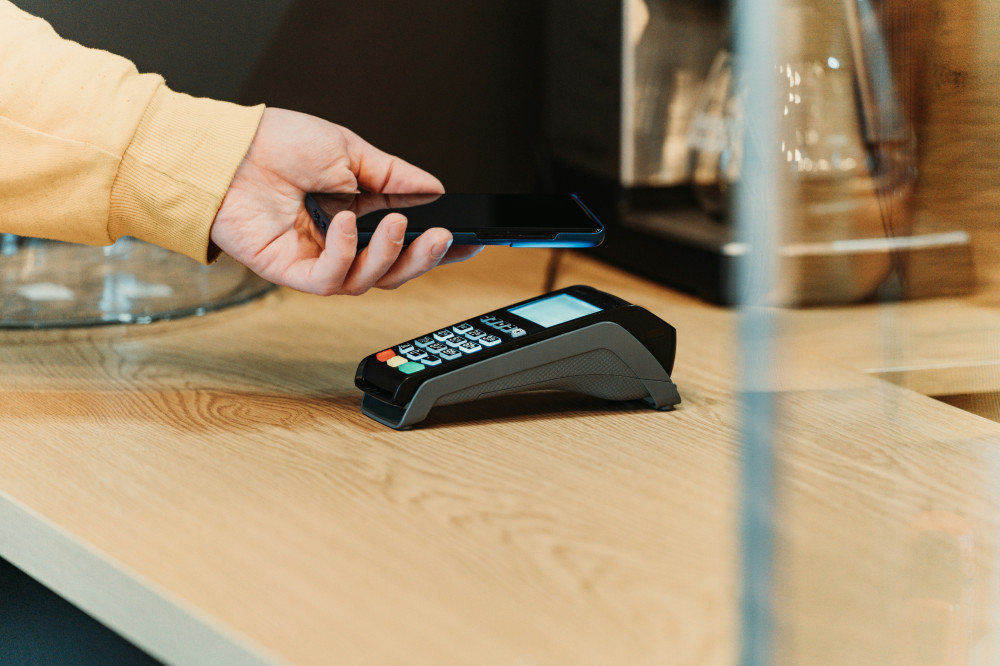
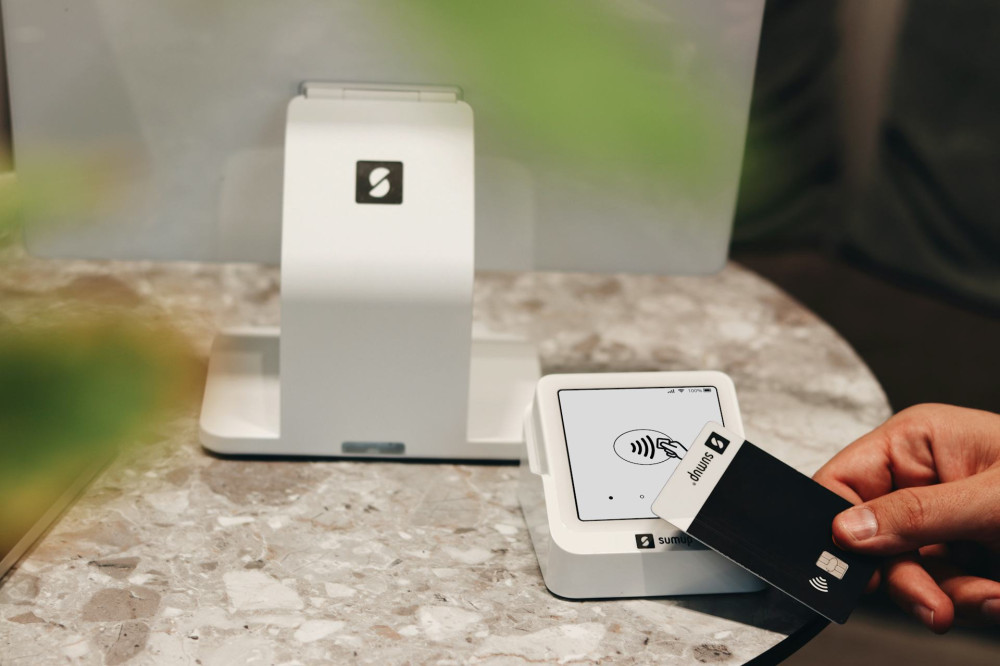
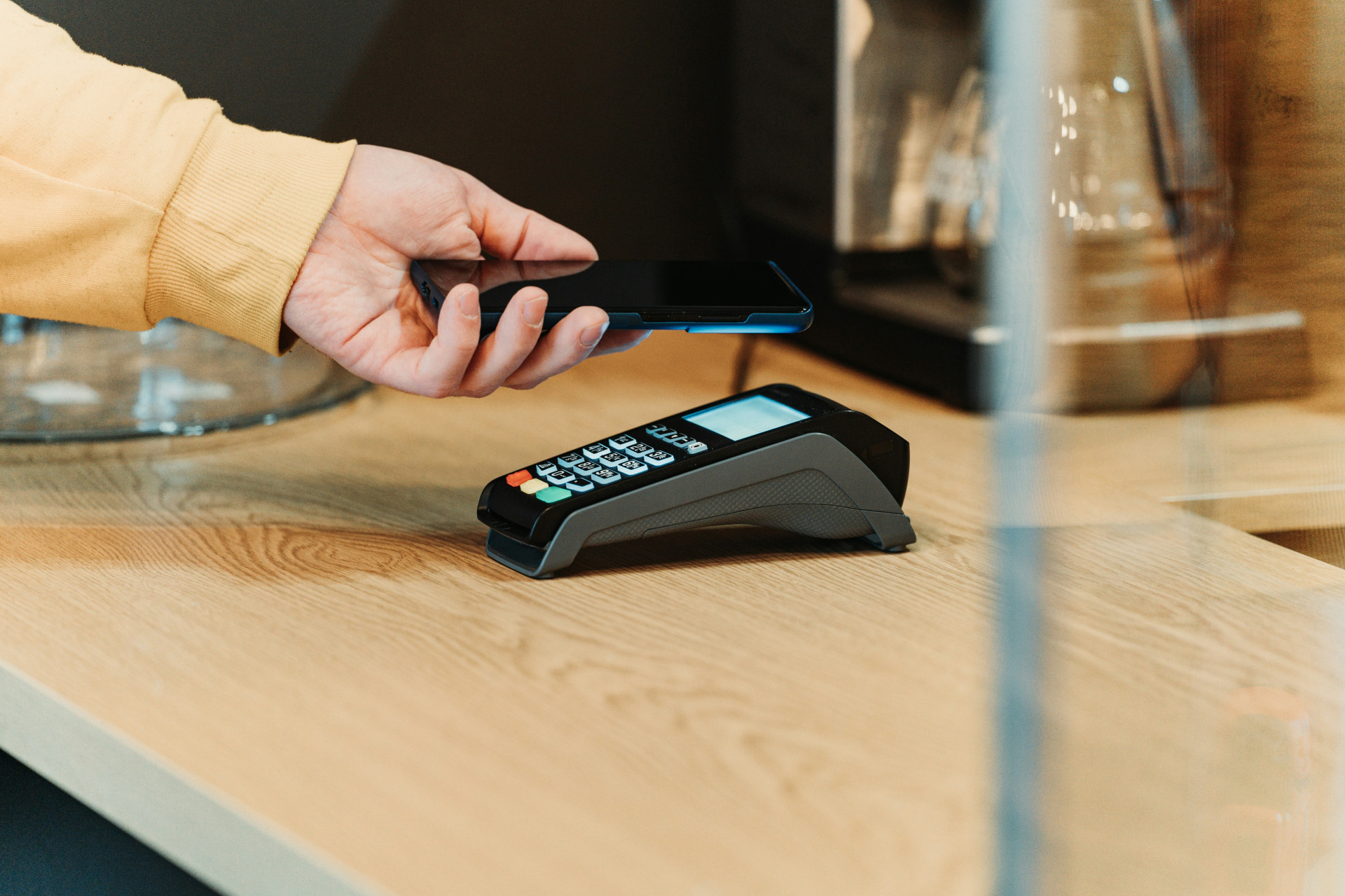
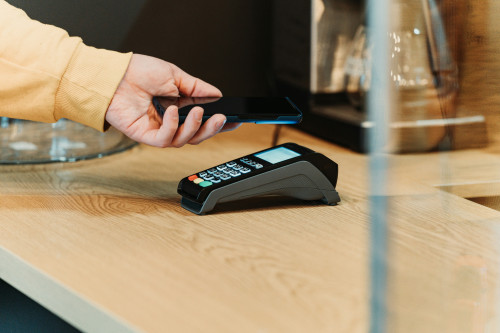
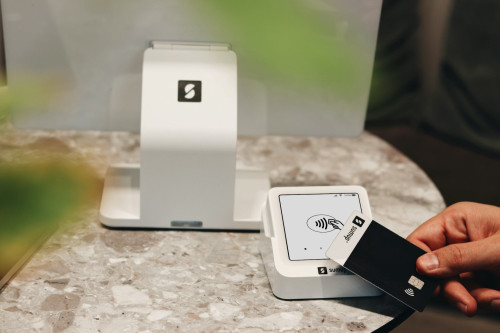
Digitalization hasn’t just changed how we interact with banks—it’s transformed how we pay. Services like Apple Pay, Google Pay, Venmo, and Zelle have made cash nearly obsolete. From coffee shops to concert venues, mobile payments are now the norm. Some businesses even refuse cash altogether.
This convenience comes with a psychological twist: when money becomes invisible, it’s easier to spend. Studies suggest that consumers tend to spend more when paying digitally because the transaction feels less tangible. Managing finances now requires not just budgeting skills, but also digital awareness.
Læs også:


Security and Trust in a Digital Age
With convenience comes new risks. Phishing scams, identity theft, and fraudulent messages have become part of the modern banking landscape. Banks invest heavily in cybersecurity, but customers also bear responsibility. Recognizing fake emails, using two-factor authentication, and keeping passwords secure are now essential life skills.
Trust remains the cornerstone of banking—but it’s now built through technology rather than face-to-face relationships. For many customers, confidence in their bank depends on data protection and algorithmic transparency rather than a familiar handshake with a local teller.
The Future of Banking: Personal Yet Digital
Even as automation expands, the need for personal guidance hasn’t disappeared. In fact, many customers now seek help navigating the growing array of digital options. The bank of the future will likely blend technology with human insight—a “hybrid bank” where AI handles routine tasks while advisors focus on complex financial decisions.
Data will play an even greater role. Banks can already analyze spending patterns to offer personalized products and advice. The challenge will be finding the balance between helpfulness and intrusion—and ensuring that customers retain control over their own information.
From Counter to Screen—A Quiet Revolution
Digitalization has made banking faster, more efficient, and more accessible. But it has also shifted more responsibility onto individuals. Where we once relied on tellers for guidance, we’re now expected to navigate apps, understand interest rates, and make investment choices on our own.
For most Americans, this shift brings freedom and flexibility. For others, it can feel like a loss of personal connection and clarity. Either way, one thing is certain: the move from counter to screen isn’t just a technological change—it’s a cultural transformation in how we understand and manage our money.
Læs også: