When Everything Connects: Mobile Apps as the Hub of the Digital Ecosystem


When Everything Connects: Mobile Apps as the Hub of the Digital Ecosystem
Mobile apps have become the invisible threads that tie our digital lives together. From the moment we wake up to the moment we go to sleep, we move through a web of apps that manage everything from communication and payments to health, transportation, and entertainment. But what does it really mean that mobile apps now serve as the hub of the digital ecosystem—and how does that shape the way Americans live, work, and understand technology?
From Simple Tools to Digital Gateways
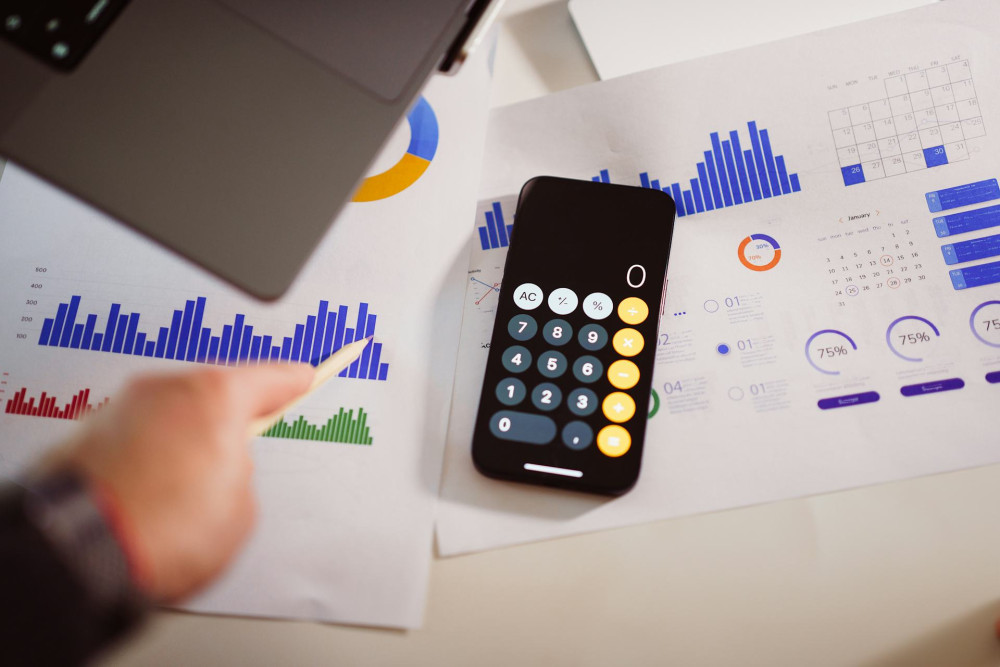
When smartphones first appeared, apps were small, isolated tools with a single purpose: a calculator, a game, a calendar. Today, they’ve evolved into gateways to entire networks of data and services. A food delivery app is no longer just a menu—it’s connected to payment systems, GPS tracking, customer support, and even loyalty programs. A health app draws on data from your smartwatch, your doctor’s office, and cloud storage to help you monitor your well-being over time.
The mobile app has become more than a tool; it’s an interface to a complex web of digital systems. It acts as the user’s key to an ecosystem where hardware, software, and data constantly exchange information.
A Constantly Evolving Ecosystem
The digital ecosystem is in perpetual motion. Emerging technologies like artificial intelligence (AI), the Internet of Things (IoT), and cloud computing continuously expand what apps can do. When your electric vehicle app starts charging automatically, or your smartwatch alerts you to an irregular heartbeat, it’s the result of sensors, algorithms, and networks working seamlessly behind the scenes.
This interconnection blurs the boundaries between devices and services. The smartphone is no longer just a screen in your pocket—it’s the remote control for your entire digital life. It manages your home’s lighting, tracks your energy use, keeps your schedule, and even unlocks your car or office.
Læs også:



The Price of Convenience: Data and Dependence
When everything connects, life becomes easier—but also more vulnerable. Every time we use an app, we share data that feeds into a larger information network. This enables personalized experiences but also raises questions about privacy, security, and control.
In the U.S., where digital services are deeply integrated into daily life, many users are becoming more aware of how their data is collected and used. Yet, the convenience of one-tap access often outweighs concerns about surveillance or data misuse. At the same time, constant connectivity fosters a kind of digital dependency: we check notifications, track our steps, follow the news, and scroll through social media—all through the same apps that organize our lives.
Finding a balance between convenience and conscious use is becoming one of the defining challenges of the modern app landscape.
The Future of Apps: More Integrated, Less Visible
The next generation of apps will likely be even more integrated—and perhaps less visible. Instead of opening an app to perform a task, we’ll increasingly interact through voice commands, automation, and context-aware systems. Technology will anticipate our needs before we articulate them.
This shift means that the concept of the “app” may evolve. Apps will remain the hub, but as part of a seamless digital environment where the lines between app, device, and service fade away. Whether it’s a smart home adjusting itself automatically or a car that syncs with your calendar, the app will be there—just not always in plain sight.
When Everything Connects—What Does It Mean for Us?
That mobile apps have become the center of the digital ecosystem is not just a technological fact—it’s a cultural one. We organize our lives around them, and they shape our expectations of how the world should work: fast, intuitive, and always available.
But perhaps now is the time to ask: how much connection is too much, and how much control do we want to keep for ourselves? As technology becomes more intertwined with our daily routines, understanding our place within this network becomes just as important as the convenience it provides.
Læs også: