IoT and Sustainability: Gain Insights into Your Energy Use and Live Greener


IoT and Sustainability: Gain Insights into Your Energy Use and Live Greener
The Internet of Things – or IoT – is no longer a futuristic concept. From smart thermostats and connected light bulbs to electric vehicles and energy monitors controlled through your phone, IoT technology is becoming part of everyday life for many Americans. But how exactly can IoT help you live more sustainably – and where should you start?
What Is IoT – and Why Does It Matter for Sustainability?
IoT refers to a network of devices connected to the internet that can collect and share data. In your home, that might mean your refrigerator, HVAC system, and lighting all communicating with each other to optimize comfort and efficiency.
When used wisely, this data can reveal exactly where and when you use the most energy – and where you can cut back. It’s not just about convenience; it’s about reducing waste and lowering your carbon footprint. IoT empowers you to make sustainable choices based on real insights rather than guesswork.
Get a Clear Picture of Your Energy Use
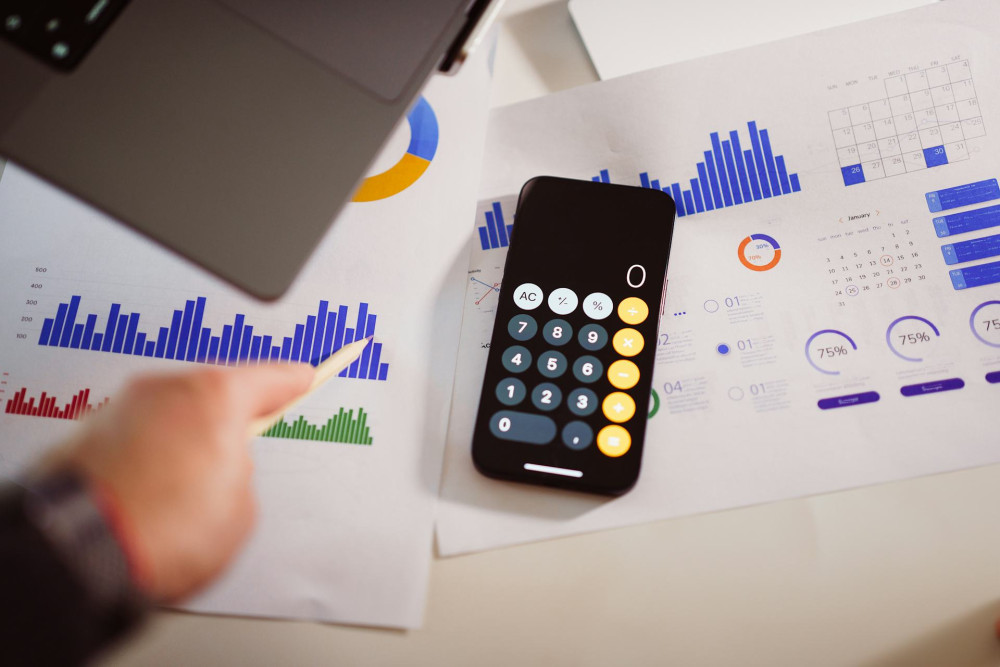
One of the easiest ways to begin is by monitoring your energy consumption. Smart meters and home energy management systems can show your usage in real time and break it down by appliance, time of day, or room.
- Smart plugs can measure how much electricity your devices use and automatically turn them off when not needed.
- Smart thermostats learn your habits and adjust heating or cooling so you’re not wasting energy on an empty home.
- Utility apps and dashboards offered by many U.S. energy providers let you track your consumption and often suggest ways to save.
Once you see the numbers, it becomes easier to change habits. Many households find that simply gaining visibility into their energy use leads to a 10–20% reduction in consumption.
Automate to Save Effortlessly
One of IoT’s biggest advantages is automation. You can set up systems that optimize energy use automatically, without constant attention.
- Lighting control: Motion sensors and schedules ensure lights are only on when needed.
- Climate control: Smart systems can lower the temperature when you leave and warm or cool your home before you return.
- EV charging: Smart chargers can take advantage of off-peak hours when electricity is cheaper and often cleaner.
Automation doesn’t mean giving up control – it means letting technology handle the routine adjustments so you can live more efficiently and sustainably.
IoT and Renewable Energy: A Perfect Match
IoT also plays a key role in the transition to renewable energy. Solar panels, heat pumps, and home batteries can be connected in an intelligent system that maximizes the use of clean power.
For example, when your solar panels produce more electricity than you need, your system can automatically charge your electric vehicle or heat your water instead of sending the excess back to the grid. This way, you make the most of your own renewable energy.
Across the U.S., utilities and tech companies are developing IoT-based solutions that help balance energy use across neighborhoods – an important step toward a more resilient and sustainable energy system.
Security and Responsibility in a Connected Home
As more devices connect to the internet, data security becomes essential. Use strong passwords, keep your devices updated, and choose products from manufacturers that prioritize privacy and cybersecurity.
Sustainability isn’t just about the environment – it’s also about creating a safe and responsible digital home. A secure IoT setup protects both your personal data and the resources you’re trying to conserve.
How to Get Started
If you want to use IoT to live more sustainably, start small:
- Map your energy use – use a smart meter or app to see where your energy goes.
- Pick one area to improve – such as heating, lighting, or standby power.
- Add automation gradually – introduce sensors and smart controls as you go.
- Review and adjust – use your data to refine your habits over time.
The key is to see IoT as a tool, not an end in itself. Technology should make it easier to live green – not more complicated.
Læs også:
A Smarter Path to a Greener Home
IoT gives us the power to understand and manage our energy use like never before. By combining data, automation, and awareness, we can create homes that are comfortable, efficient, and environmentally responsible.
It’s not about filling your house with gadgets – it’s about using technology intelligently so every kilowatt-hour counts and every decision brings you closer to a greener lifestyle.
Læs også: