Cloud Gaming with Minimal Lag: The Technology Behind the Seamless Experience

Cloud Gaming with Minimal Lag: The Technology Behind the Seamless Experience
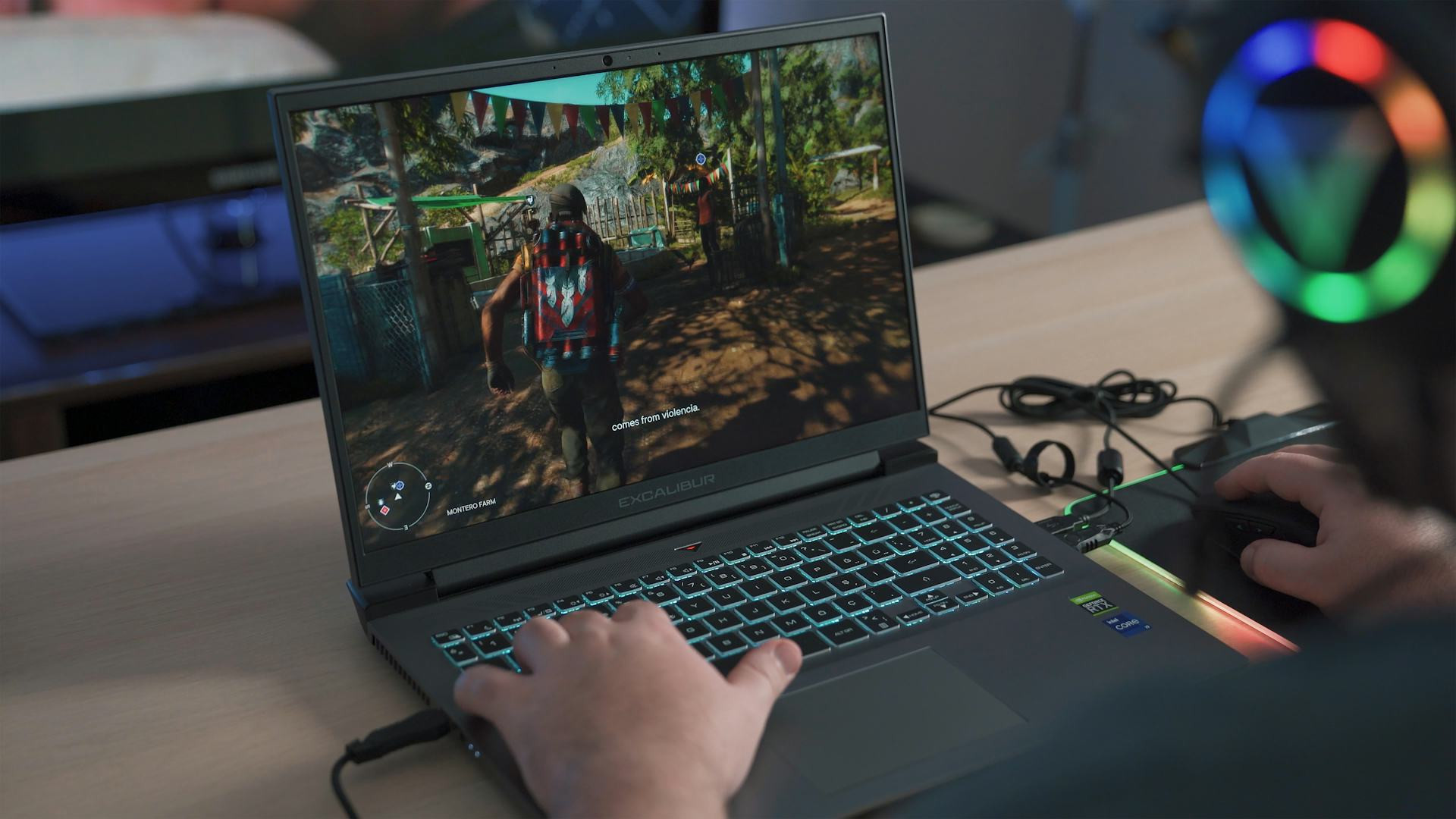
For many gamers, the idea of playing the latest titles without owning a high-end PC or console once seemed impossible. Cloud gaming has changed that. Instead of running the game locally, the heavy processing happens on remote servers, while the visuals are streamed to your screen—much like watching a movie, except you’re in control. The biggest challenge, however, has always been latency. How do you make the experience feel as smooth and responsive as playing on your own hardware? The answer lies in a combination of advanced networking, strategically placed data centers, and intelligent software.
What Exactly Is Cloud Gaming?
In cloud gaming, the game runs on a powerful server in a data center. When you press a button or move your controller, that input travels over the internet to the server, which processes the action and sends back a new frame of video. The entire round trip happens in milliseconds—at least, that’s the goal.
In the early days, internet connections were too slow and inconsistent to make this work well. But with the rise of high-speed fiber, 5G, and improved broadband infrastructure, the technology has matured enough to deliver an experience that, for many players, feels nearly identical to traditional gaming.
Læs også:

Data Centers Close to the Player
One of the most important factors in reducing lag is physical distance. The farther data has to travel, the longer it takes. That’s why providers like NVIDIA, Microsoft, and Amazon Web Services have built data centers across the United States—often near major cities and internet exchange points.
When you start a session, you’re automatically connected to the nearest data center. This minimizes the distance your data must travel, cutting latency from over 100 milliseconds to under 30 in many cases. For fast-paced genres like shooters or racing games, that difference can mean the world.
Smart Algorithms and Compression
Even with short distances, cloud gaming involves sending massive amounts of data back and forth. To make this feasible, advanced compression algorithms are used to shrink the video stream without sacrificing too much visual quality.
Modern platforms employ adaptive streaming, which adjusts image quality in real time based on your connection. If your network becomes unstable, the system temporarily lowers resolution to prevent stuttering or lag. Once the connection stabilizes, the quality ramps back up—so quickly that most players barely notice the change.
5G and Edge Computing: The Next Frontier
The rollout of 5G networks is a game changer for cloud gaming. 5G isn’t just faster than previous mobile technologies—it also offers dramatically lower latency, often under 10 milliseconds. That makes it possible to play demanding games on a smartphone or tablet while on the go, without noticeable delay.
At the same time, edge computing is becoming increasingly important. This approach moves parts of the processing even closer to the user—sometimes to local servers within cell towers or internet service providers’ networks. By shortening the path between player and server, edge computing can shave off precious milliseconds and make gameplay feel almost instantaneous.
Hardware-Free Gaming—But With Network Demands
While cloud gaming eliminates the need for expensive hardware, it does place demands on your internet connection. A stable speed of at least 25 Mbps is recommended for full HD gaming, while 4K streaming may require 50 Mbps or more. More critical than speed, however, is stability and low ping.
For many players, a wired Ethernet connection still provides the most reliable experience. Even small fluctuations in Wi-Fi signal strength can cause noticeable lag. That’s why cloud gaming providers continue to refine their network infrastructure and develop technologies that can compensate for variations in connection quality.
A New Era of Gaming Experiences
Cloud gaming is transforming not only how we play but also who can play. It makes high-end gaming accessible to anyone with a decent internet connection—whether they’re using an old laptop, a tablet, or a smart TV. It’s also changing the business model of gaming, shifting from one-time purchases to subscription-based libraries.
The technology is still evolving, but the direction is clear: the future of gaming is increasingly cloud-based. With ongoing advances in networking, compression, and edge computing, the dream of a smooth, nearly lag-free gaming experience is no longer a distant vision—it’s already here.
Læs også: