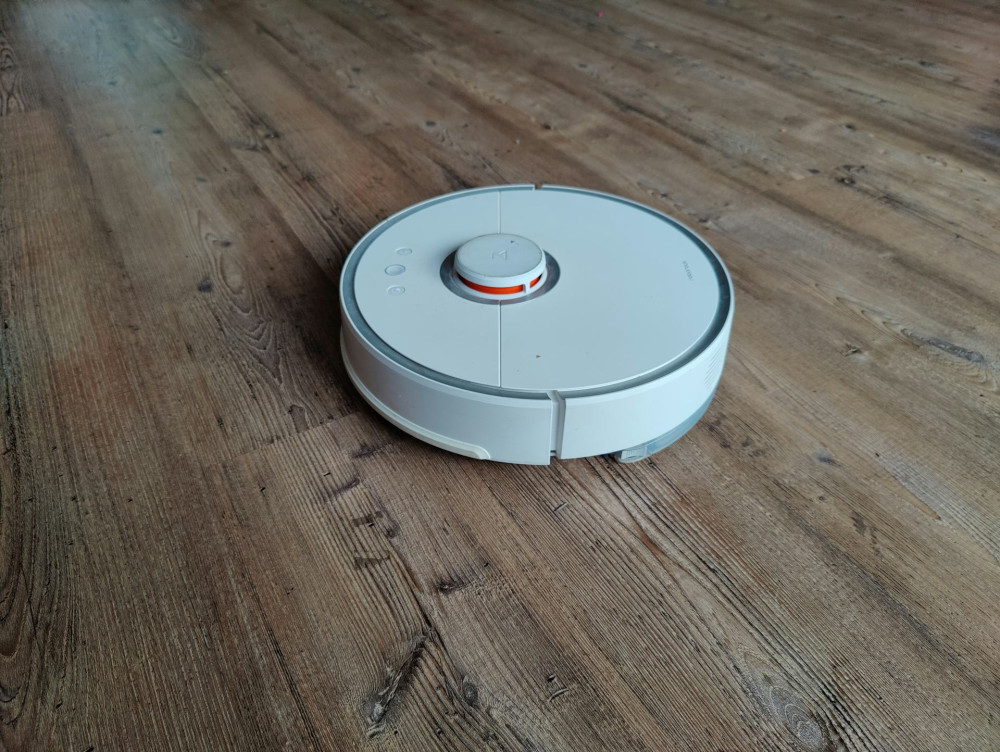
Automation in Education: Free Up Time from Administrative Tasks


Automation in Education: Free Up Time from Administrative Tasks
In schools across the United States, teachers and administrators spend countless hours on tasks that have little to do with actual teaching—taking attendance, entering grades, scheduling meetings, and managing communication with parents. With modern digital tools and automation, many of these repetitive routines can be streamlined, freeing up valuable time for what truly matters: student learning and engagement.
When Technology Handles the Repetitive Work
Automation isn’t about replacing teachers—it’s about removing the repetitive, time-consuming tasks that take focus away from students. Many districts have already begun using digital platforms that automatically record attendance, send notifications to parents, and update class rosters.
A simple example is automated reminders for assignments or parent-teacher conferences. Instead of manually sending messages, teachers can rely on systems that automatically deliver them at the right time. This not only saves time but also ensures that important information reaches everyone consistently.
Data That Works for Educators
Today’s learning management systems can collect and analyze data on student progress in real time. This allows teachers to quickly identify which students need extra support and which are ready for more advanced challenges. Instead of spending hours reviewing assignments manually, educators can access visual dashboards that summarize class performance and trends.
Automated data analysis can also help personalize learning. If a student consistently struggles with a particular concept, the system can suggest targeted exercises or additional resources. This makes differentiated instruction more practical and effective in everyday teaching.
Planning and Coordination Made Simple
Scheduling changes, staff meetings, and cross-department coordination can easily become overwhelming. Automation can make these processes smoother. Digital calendar systems can automatically find available meeting times, send invitations, and update participants’ schedules when changes occur.
For school administrators, this means fewer manual updates and less risk of scheduling conflicts. For teachers, it means more predictable planning and fewer interruptions during the school day.
Læs også:




Communication That Runs Itself
Communication between schools, students, and families is essential—but it can also be one of the most time-consuming aspects of education. Automated messaging systems can ensure that information is delivered quickly and accurately. For example, notifications about weather closures, schedule changes, or upcoming events can be sent automatically via email, text, or app.
This reduces the need for teachers to send individual messages and ensures that parents receive timely updates. Many systems also log communications automatically, providing a clear record for future reference.
Ethical and Educational Considerations
While automation can simplify many administrative tasks, it’s important to maintain the human element in education. Technology should support—not replace—the relationships and judgment that define good teaching. Teachers remain the ones who inspire, motivate, and adapt lessons to meet each student’s needs.
Schools should carefully consider which processes are suitable for automation and which require personal interaction. A good rule of thumb: if a task can be standardized without losing quality, it can likely be automated. But anything that depends on empathy, creativity, or professional judgment should remain human-driven.
An Investment in Time and Quality
Implementing automation requires an initial investment of time and resources, but the payoff is clear: less administrative burden, fewer errors, and more time for teaching. Many educators report that automation allows them to focus on lesson planning, provide more meaningful feedback, and build stronger relationships with students.
Ultimately, automation in education isn’t about technology for its own sake—it’s about creating better conditions for learning. When administrative tasks become easier, teachers can devote their energy to what truly makes a difference: the people in the classroom.
Læs også: